
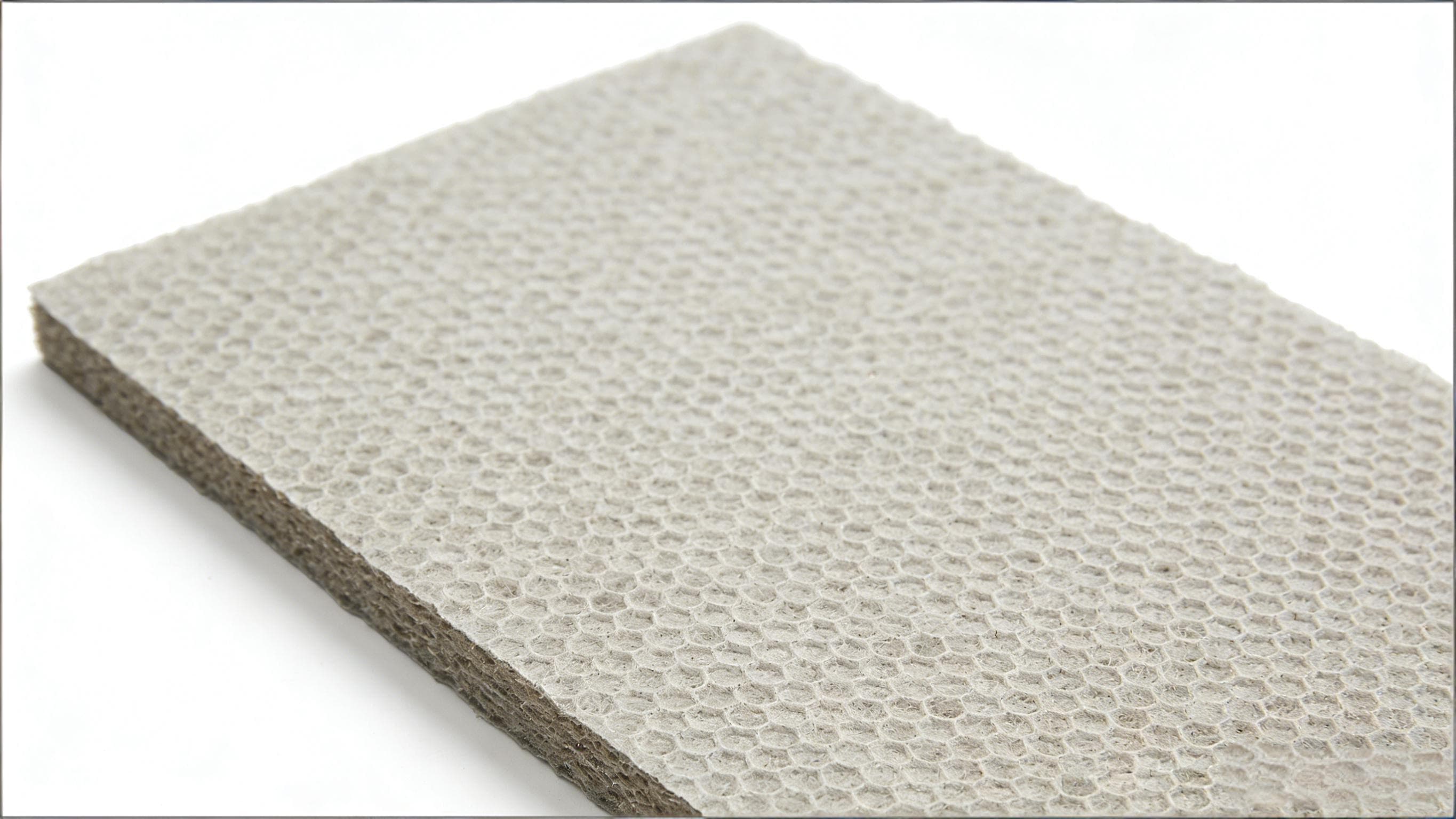
The best thermal insulators are mostly air held still. Silica aerogels take that idea furthest: a solid network with nanometre-sized pores that leaves the material more than 90% air, giving some of the lowest thermal conductivities of any solid. Silicon chemistry is how that network is made.
Silica aerogels
An aerogel starts as a sol-gel: a silica source such as tetraethyl orthosilicate or ethyl silicate 40 is hydrolysed and condensed into a wet gel. The liquid is then removed without collapsing the pores, by supercritical or ambient-pressure drying. For ambient-pressure drying and for water resistance, the gel surface is made hydrophobic with a silylating agent — hexamethyldisilazane is a common choice. The resulting aerogel is used in blankets, panels and granules for pipelines, buildings and industrial equipment.
Insulated pipelines
Pre-insulated pipes for oil, gas and district heating carry a polymer protective layer over the insulation. Vinyl silanes graft onto polyethylene and crosslink it with moisture, giving a layer that holds its strength at service temperatures well above those uncrosslinked polyethylene can take. Background: silane-crosslinked polyethylene.
Choosing a silica source
- TEOS gives a well-defined, high-purity silica network.
- Ethyl silicate 40 is partly pre-condensed: it carries more silica per kilogram and releases less ethanol.
For a recommendation for your formulation, a COA, an SDS or a quotation, contact our technical sales team.
Productos relacionados
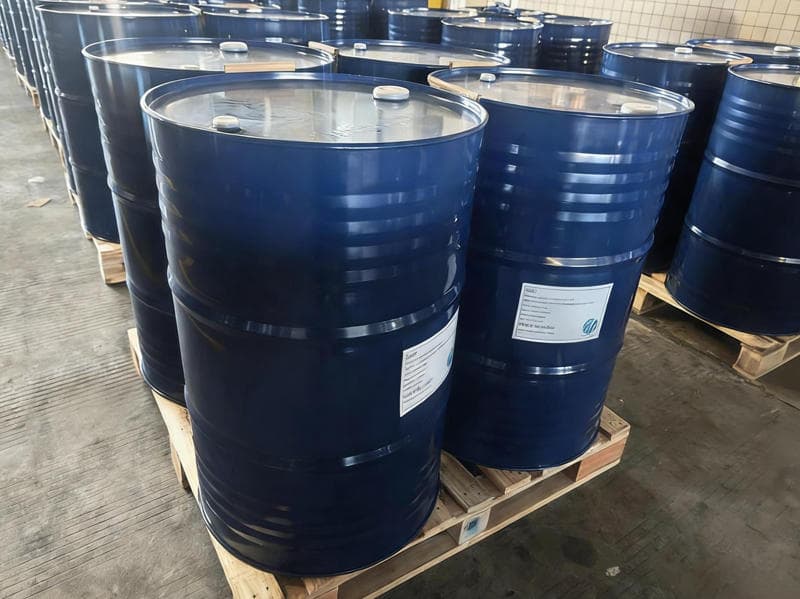
Silanes
SF-S028 Tetraethylsilicate, TEOS
CAS 78-10-4
Tetraethyl orthosilicate; Tetraethoxysilane; Tetraethylsilicate; TEOS CAS No. 78-10-4
Silanes
SF-S040 Ethyl Silicate-40
CAS 11099-06-2
Ethyl Silicate-40, Tetraethoxysilane-40 CAS No. 11099-06-2
Silanes
SF-S171 Vinyltrimethoxysilane, VTMO
CAS 2768-02-7
Vinyltrimethoxysilane; VTMO CAS No. 2768-02-7
Siloxanes & Silazanes
SF-SN62 Hexamethyldisilazane
CAS 999-97-3
Hexamethyldisilazane; 1,1,1,3,3,3-hexamethyldisilazane; HMDS CAS No. 999-97-3